Kids & Fibs: Rebuilding Trust - Matt’s Story
By Jean Tracy, MSS
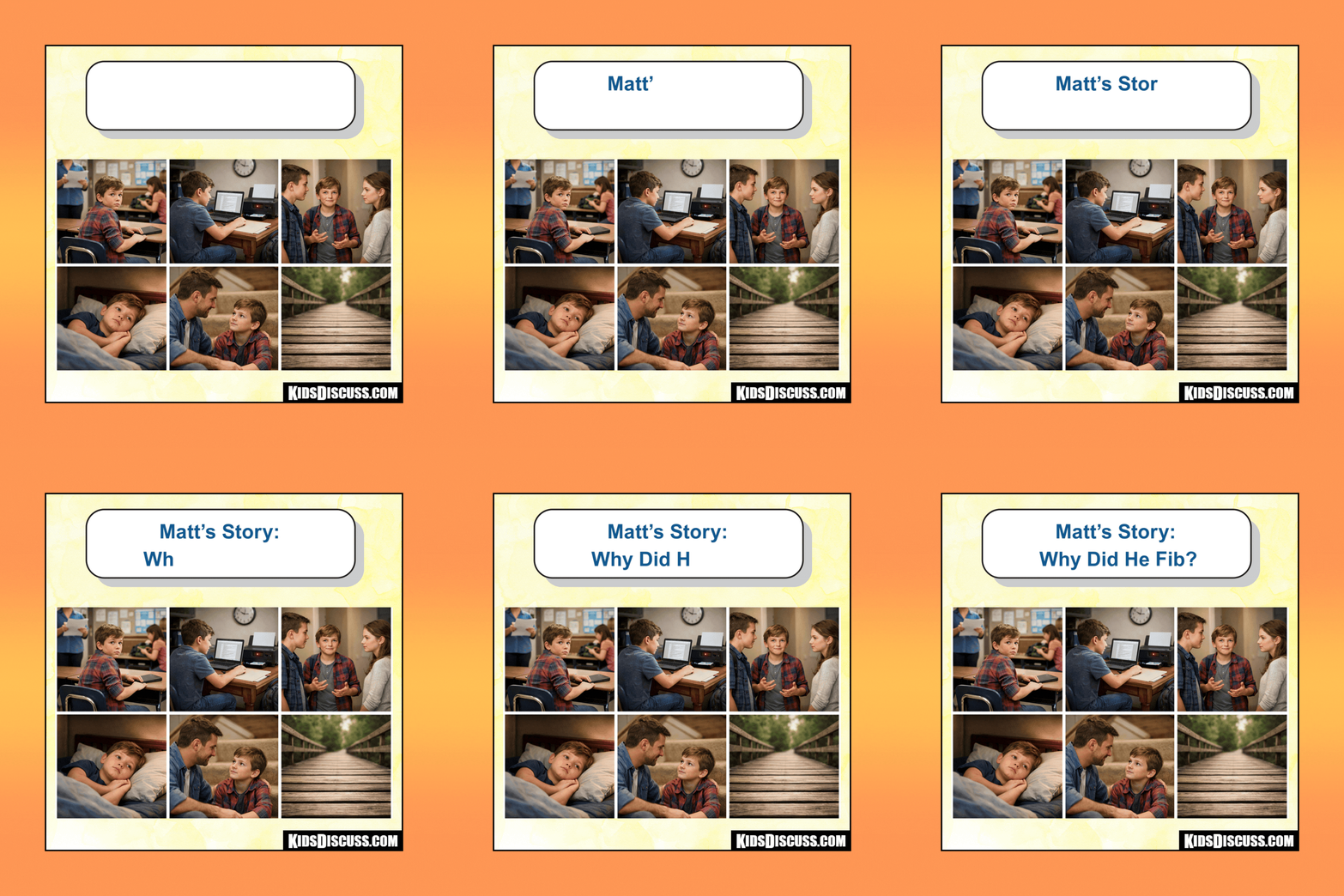
Sometimes kids fib for the same reason they run: they’re trying to escape a scary feeling—trouble, embarrassment, disappointment. When we make truth feel safe, honesty grows.
Panic
Matt’s teacher says,
Homework out, please.
Matt freezes. He did the assignment on the computer… but he forgot to print it.
The Fib
He blurts,
I did it on the computer, but the printer didn’t work.
His teacher pauses.
Okay. Bring it tomorrow.
Matt exhales—safe for now.
The Persistent Doubt
But when excuses stack up, something quietly changes: people start hearing Matt’s words as maybe-words. Even when he tells the truth later, trust doesn’t snap back instantly. It rebuilds with repeated honest moments.
The Inside Hurt:
That night, Matt feels a knot in his chest.
If I tell the truth next time… will anyone believe me?
He isn’t a bad kid. He’s a worried kid who picked the fastest exit.
The Bridge
Matt tells his dad. Dad sits beside him and says:
Trust is like a bridge. Every truth is a plank you nail down. Every lie is you pulling nails out.
How do I fix it?
Matt whispers.
One plank at a time,
Dad says.
The Plank (Next Day)
Matt takes a breath:
I lied. The printer didn’t break. I forgot to print it. I’m sorry.
His teacher says,
Thank you for telling the truth. Bring it tomorrow.
Matt doesn’t feel comfortable… but he feels cleaner inside.
3 Truths about Fibbing and Character
- Most fibs are fear-moves, not “bad-kid” moves.
- Trust is built in layers—and repaired in layers.
- Truth grows best where it feels safe.
5 Takeaways for Parents
-
Stay calm when truth appears (you can pause and come back).
-
Correct the behavior, protect the identity: “That was dishonest” vs “You’re a liar.”
-
Praise courage: "Thank you for telling me—that was brave."
-
Use fair, predictable consequences and talk about honesty + trust.
-
Don’t corner kids with questions when you already know. Go to the issue and invite truth.
3 Ways to Help Your Child Be Truthful
- The preamble: “I’m going to ask something hard. I love you no matter what. I want the honest answer.”
- Truth check do-over: “I’ll give you 10 minutes. If you want to change your answer, you can.”
- Natural consequences + next step: Let the real outcome teach, then help them plan what to do differently.
Reflection Prompt (for Kids)
- When are you most tempted to fib—scared, embarrassed, or trying to look cool?
- What would one “honesty plank” sound like today?
- Who can help you tell the truth when it feels hard?
Family Challenge
This week, practice the bridge plank rule: each day, share one small honest thing you could’ve hidden. Then say, “Thanks for the plank,” and do one tiny fix-it step together.
Your free gift
To download the free gift for this article, submit the gift code: honesty